

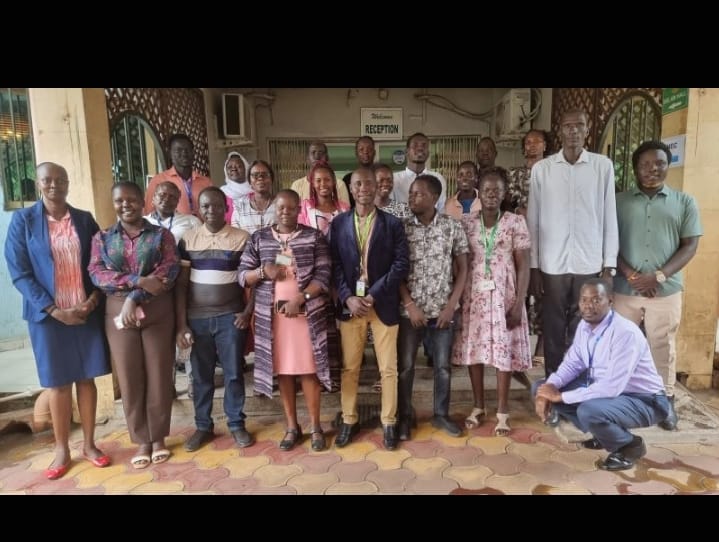
The National Education Coalition in South Sudan is hosting a two-days’ workshop starting 25th and 26th March 2026, to discuss matters related to education in the country, the workshop is focusing on Teachers’ management, inclusion of children with disability, infrastructure and education financing and coordination for sustainable transformation of education in the country.
The event is part of the National Education Coalition efforts to strengthen education partnerships, accountability and to address pressing educational priorities and challenges in South Sudan. The Coalition has been working to influence national education policies, mobilizes resources and monitor education initiatives, especially in the context of south Sudan’s challenges including political instability and economic hardship.
Education in South Sudan remains one of the most powerful drivers of national transformation, yet persistent barriers hinder equitable access to quality learning opportunities. Financing shortfalls, poor teacher management, inadequate infrastructure, and the marginalization of learners with disabilities continue to undermine progress towards achieving SDG 4 on inclusive and equitable quality education. Coalitions play a critical role in bridging the gap between communities and policymakers by advocating for reforms, tracking education sector performance, and amplifying the voices of the most vulnerable. However, for advocacy to yield tangible results, coalitions must adopt targeted, evidence-driven and well-planned approaches. While forming specialized thematic groups strengthens focus and technical depth, structured planning sessions are equally essential to translate thematic discussions into clear advocacy roadmaps, measurable targets, and strategic engagement plans with decision-makers.
The National Education Coalition’s two-day workshop is supported by the Norwegian Refugee Council (NRC) through Education Cannot Wait (ECW). The ECW program has been instrumental in supporting education in emergencies, providing opportunities for children and youth affected by conflict and displacement. NRC has been working to ensure that children and youth forced to flee can access high-quality, safe and inclusive learning opportunities. Their education activities focus on first-line education response, non-formal education opportunities, transition to and retention in formal education, youth education and wellbeing.

